Your Employee Didn't Show Up for Their Full Shift. Here's When California Reporting-Time Pay Applies
Wage & Hour Defense

Your employee showed up for their 8-hour shift. Business was slow, so you sent them home after 90 minutes. In California, that decision may have created a reporting time pay obligation under California wage law.
Reporting time pay is one of the most commonly missed wage requirements in California labor law. It catches employers off guard because the trigger is not what was worked, but what was scheduled. This guide explains how the rule works, where it shows up in ways employers don't expect, and what you should do to protect your business before a claim arrives.
Key Takeaways
Reporting time pay is owed when a non-exempt employee reports for a scheduled shift and receives less than half their scheduled hours
The minimum payment is two hours; the maximum is four hours for first-reporting situations, at the employee's regular rate of pay
Certain call-in requirements before a scheduled shift may trigger reporting time pay obligations even without physical attendance.
Exceptions are narrow and require conditions genuinely beyond employer control, not just slow business
Unpaid reporting time pay is wages, which means waiting time penalties, PAGA exposure, and attorney's fees all apply
What Is Reporting Time Pay in California?
Reporting time pay, sometimes called "show-up pay," is a wage obligation under California's Industrial Welfare Commission (IWC) Wage Orders. When a non-exempt employee reports for a scheduled shift and receives less than half their scheduled hours, the employer owes them compensation beyond what they actually worked.
California's Division of Labor Standards Enforcement (DLSE) describes reporting time pay as compensation for employees scheduled to report who are not furnished at least half their scheduled day's work because of inadequate scheduling or lack of proper notice
The IWC stated its purpose plainly: reporting time pay requirements exist both to compensate employees and to encourage proper notice and scheduling by employers. The law is designed to put the cost of poor scheduling on the employer, not the worker who showed up as required.
How Reporting Time Pay Is Calculated
The calculation depends on whether it is the employee's first or second reporting in a workday.
First reporting of the workday (IWC Wage Orders, Section 5(A)):
If an employee is furnished with less than half their usual or scheduled day's work, the employer must pay for half the scheduled hours, with a floor of 2 hours and a ceiling of 4 hours, at the employee's regular rate of pay.
Scheduled Hours | Hours Worked | Reporting Time Pay Owed | Total Pay |
|---|---|---|---|
8 hours | 1 hour | 3 hours (4 hrs owed, minus 1 worked) | 4 hours total |
6 hours | 2 hours | 1 hour (3 hrs owed, minus 2 worked) | 3 hours total |
4 hours | 1 hour | 1 hour (2 hrs owed, minus 1 worked) | 2 hours total |
2 hours | 0 hours | 2 hours (minimum floor applies) | 2 hours total |
Second reporting of the workday (IWC Wage Orders, Section 5(B)):
If an employee reports back to work a second time and receives less than two hours of work on that second reporting, the employer owes two hours at the regular rate of pay, regardless of how much was actually worked.
One more thing: reporting time pay does not count toward daily or weekly overtime calculations. It sits entirely separate from overtime math.
The Scenarios That Actually Trigger Claims
The obvious scenario is easy to spot: employee arrives, works a fraction of their shift, gets sent home. The less obvious ones are where employers get caught.
1.
On-call and call-in shifts:
Physical arrival at the workplace is not always required. Certain employer-required call-in procedures may qualify as reporting to work under California law.
2.
Mandatory short meetings on days off:
A 20-minute all-hands meeting, a brief pre-shift training session, and a quick team check-in on a non-workday. Each of these can trigger a second-reporting obligation if the meeting runs under two hours.
3.
Same-day call-backs:
An employee finishes their morning shift, leaves, and is called back for an afternoon task that takes 45 minutes. The second-reporting rule applies regardless of the task's brevity.
4.
The "slow day" early send-home:
A manager casually tells an employee to leave early because traffic is light. Informal does not mean exempt. If the employer initiated the early departure, the obligation attaches.
5.
Remote log-in confirmation.
For remote and hybrid workforces, employers should review whether required pre-shift confirmations, system checks, or availability requirements could create compensable obligations.
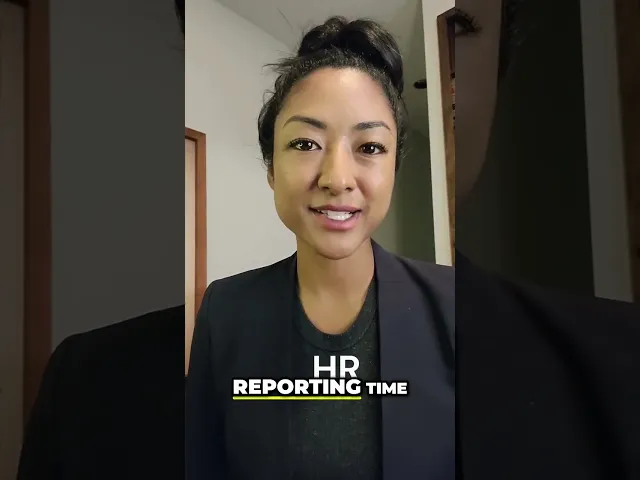
Watch: John Fagerholm explains what reporting time pay actually means for California employers and where the common traps are. What is Reporting Time Pay? — DefendMyBiz YouTube
When Reporting Time Pay Does NOT Apply
The IWC Wage Orders include legitimate exceptions. Employers do not owe reporting time pay when:
Operations cannot begin or continue due to a threat to employees or property, or a civil authority recommendation to halt work
Public utilities (electricity, water, gas, sewer) fail, and work cannot proceed
An Act of God or cause genuinely beyond the employer's control makes it impossible to provide work (earthquakes, extreme weather events)
The employee is on a regularly scheduled shift of less than two hours
A valid collective bargaining agreement addresses reporting time pay differently, where permitted under applicable law
One exception that does not apply: the employee calling in sick. These exceptions apply to conditions outside the employer's control, not to employee-initiated situations that the business could have anticipated or planned around.
A court will not accept "business was slow" as an Act of God. If the employer could have known and could have given advance notice, the obligation stands.
An Employer Question: We Sent Employees Home Early Because Business Was Slow. Do We Still Owe Pay for Reporting Time?
One of the most common reporting time pay questions California employers face is:
"If an employee showed up for their scheduled shift but we had less work than expected, do we still owe additional pay?"
The answer depends on the circumstances, but a lack of available work is one situation where employers often face exposure to reporting time pay.
Under California reporting time pay rules, a non-exempt employee who reports for a scheduled shift but is provided less than half of their scheduled workday may be entitled to reporting time pay, subject to limited exceptions. The California Division of Labor Standards Enforcement (DLSE) explains that the rule is intended to compensate employees and encourage proper scheduling practices.
For employers, the key questions are:
Was the employee scheduled to work?
Did the employee report to work or satisfy a qualifying reporting requirement?
Was the employee provided less than half of the scheduled shift?
Was the reduction caused by a legitimate exception outside the employer’s control?
Do payroll records show the required reporting time pay was issued?
Common situations that create confusion include:
A slow business day: Sending an employee home because customer demand is lower than expected generally does not fall into the same category as an emergency outside the employer’s control. Employers should review whether reporting time pay applies before treating the shift reduction as unpaid time.
Using PTO to cover shortened shifts: Employers should be careful when automatically applying vacation or PTO balances to cover hours lost when an employee is sent home. Employee complaints involving this practice have appeared in California employment discussions and often center around whether the employer is avoiding reporting time pay obligations.
Mandatory meetings or second reporting situations: A short required meeting, training session, or return-to-work requirement may create separate reporting-time pay considerations, depending on the facts. DLSE guidance recognizes second reporting situations in which an employee returns to work but receives fewer than 2 hours of work.
The strongest employer defense is usually documentation:
scheduling records
employee communications
timekeeping records
payroll records showing proper payment decisions
A consistent scheduling process can help employers identify and resolve pay issues related to reporting time before they become broader wage claims.
How One Reporting Time Claim Becomes a Bigger Problem
A single employee's reporting-time pay claim rarely remains small in California.
Reporting time pay is wages. That means a pattern of non-payment can generate:
Waiting time penalties (Labor Code §203): If reporting time pay was not paid at termination, employees can seek up to 30 days of additional wages as a penalty.
PAGA exposure: One employee who was shorted on reporting time pay can file a representative action covering all affected non-exempt employees on the payroll. PAGA penalties are calculated under statutory rules and can significantly increase exposure when the same alleged violation affects multiple employees.
Class action risk: If the same scheduling practice affected multiple workers, you are looking at a potential wage and hour class action. Meal/rest break class actions frequently carry reporting time pay claims as companion allegations.
Attorney's fees: Plaintiffs who prevail on wage claims in California are entitled to attorney's fees, which often exceed the underlying wage amount owed.
For employers using on-call scheduling or high-volume shift models in restaurants, retail, healthcare, and hospitality, reporting time pay exposure can increase significantly when alleged violations involve multiple employees, repeated pay periods, and related wage claims.
If you are facing a wage claim that includes reporting time pay allegations, the wage and hour defense team at DefendMyBiz works exclusively on behalf of California employers.
What to Do Right Now: Employer Compliance Checklist
If you have not audited your scheduling practices against California's reporting time pay rules, start here.
1.
Map every scenario where an employee "reports."
Include physical arrivals, telephone check-ins for on-call shifts, remote log-ins, and second-reporting situations. Document all of them.
2.
Pull 12 months of payroll and timekeeping records.
Flag every instance where a non-exempt employee worked fewer than half their scheduled hours. Determine whether reporting time pay was calculated and paid. Unresolved violations compound.
3.
Audit your on-call policy specifically.
After Ward v. Tilly's, any call-in requirement two hours before a shift is a potential trigger. If your scheduling model requires employees to phone in, you may be creating wage obligations without realizing it.
4.
Update your scheduling protocols.
Give advance notice of cancellations whenever possible. Document that notice was given. A text, email, or system notification time-stamped before the employee left home constitutes meaningful evidence in a wage-claim defense.
5.
Train your managers.
Most reporting-time pay violations occur because a manager sent someone home without understanding what that decision costs. One 20-minute manager training session prevents far more than it costs.
6.
Review your employee handbook.
Your written policies should address how reporting time pay is handled, including how cancellations are communicated and documented. Gaps in your handbook become arguments for the plaintiff.
For a deeper look at the wage and hour claims that most commonly trigger PAGA and class action exposure, here's our quick guide on California Meal and Rest Break Violations and Defeating Wage and Hour Class Actions in California.
Already Facing a Reporting Time Pay Claim?
Reporting time pay claims do not always arrive on their own. They often travel with meal-and-rest-break allegations, off-the-clock work claims, and PAGA notices because plaintiff attorneys know how to stack exposure. What looks like a small scheduling dispute can become a multi-employee action within weeks.
At DefendMyBiz, we represent California employers exclusively. We do not take employee cases. When a reporting-time pay claim lands on your desk, our job is to assess your actual exposure. Build a defense based on your actual records, and resolve the matter on the best terms available.
If you're already dealing with a reporting-time pay dispute or claim, contact DefendMyBiz for a free 15-minute consultation.
Frequently Asked Questions
What is reporting time pay in California?
Does an employee have to physically show up to trigger reporting time pay?
What are the exceptions to California's reporting time pay requirement?
Can a single reporting-time pay claim turn into a class action?
Does reporting time pay count toward overtime?
Can I send an employee home early in California?
Does reporting time pay apply if business is slow?
How far back can employees claim unpaid reporting time pay?
Disclaimer: The above content is for informational purposes only. This is not legal or tax advice. Laws, IRS guidance, and withholding requirements can change, and outcomes depend on specific facts. You are advised to contact a qualified attorney for any legal advice.