California Is Coming After Your Piece-Rate Pay Structure. Here's How to Defend It
Wage & Hour Defense

Piece-rate pay is legal in California. Running it the way you always have probably is not.
Since AB 1513 codified Labor Code § 226.2 in 2016, piece-rate employers have been operating under rules that most still do not fully follow. Plaintiff-side attorneys often know exactly where these gaps appear, and one worker with one defective pay stub can open PAGA claims covering your entire workforce.
What Your Pay Structure Is Already Being Tested Against
Rest and recovery periods cannot be included in piece-rate earnings. They must be paid separately at a calculated hourly rate
All time under your control that isn't directly piece-rate productive is "nonproductive time," paid separately at no less than $16.90/hour in 2026
Overtime must include rest period and nonproductive time pay in the regular rate calculation.
Wage statement defects can trigger statutory damages, civil penalties, and potential PAGA exposure, depending on the facts and procedural posture.
One defective pay stub = a potential PAGA representative action covering every worker on payroll
Missing rest period or nonproductive time pay in a final paycheck triggers waiting time penalties up to 30 days of daily wages
The Three Rules Under Labor Code § 226.2
AB 1513 imposes three non-negotiable obligations on every California employer paying piece-rate compensation:
Separate pay for rest and recovery periods: Rest breaks cannot be rolled into the piece rate. They must be paid separately at the higher of the applicable minimum wage or the employee's average hourly piece-rate earnings for the pay period.
Formula: total piece-rate earnings ÷ total productive hours = hourly rate for rest breaks.
Separate pay for nonproductive time: Any time under your control that is not directly tied to piece-rate production must be paid separately at no less than minimum wage. This includes: waiting for work, setup and cleanup, mandatory meetings, travel between job sites, training, and loading or unloading.
Separate itemization on every wage statement: Each pay stub must show three distinct categories: piece-rate units and rate, rest period hours and gross wages, and nonproductive time hours and gross wages. A single "piece rate pay" lump sum line is a § 226 violation every pay period it appears.
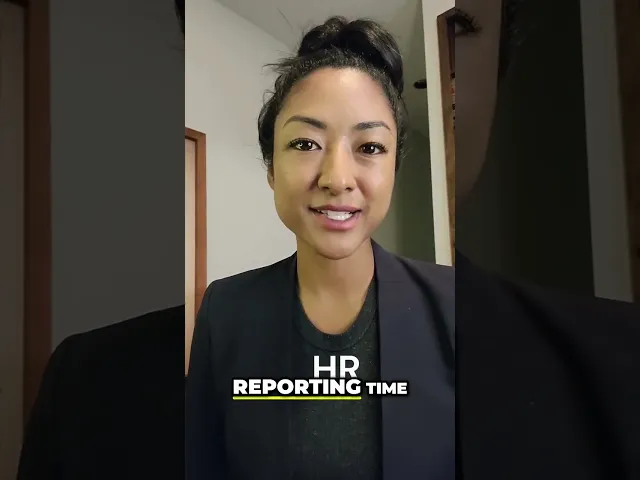
Watch: John explains reporting time pay, and when California employers are on the hook for time employees are not even working. Watch here →
The Safe Harbor: What It Protects and What It Doesn't
Labor Code § 226.2(a)(7) provides a safe harbor: if you pay at least the applicable minimum wage for all hours worked, productive and nonproductive, in addition to any piece-rate pay, you are deemed compliant with the nonproductive time compensation requirement.
What the safe harbor does not cover:
Ordinary wage statement compliance under Labor Code § 226
Rest period pay obligations
Overtime regular-rate issues
Inaccurate records
Where Employers Get Sued: The Specific Vulnerabilities
Violation | How It Happens | Penalty Exposure |
|---|---|---|
Rest breaks rolled into piece rate | The employer doesn't separate break pay | Wage claim + PAGA |
Nonproductive time unpaid | Meetings, setup, and waiting are not tracked | Wage claim + PAGA |
Pay stub shows one lump "piece rate" line | No itemization | Wage statement claim + PAGA exposure |
Overtime miscalculated | Rest/nonproductive pay excluded from regular rate | Overtime claim + PAGA |
Final check missing rest/nonproductive pay | Worker quits or is terminated | Waiting time penalties up to 30 days |
Piece-rate waiting time penalties follow the same rules as any final paycheck dispute in California. If a terminated worker's last check is missing rest period or nonproductive time pay, the exposure clock starts immediately. See: Final Paycheck Disputes: Minimizing Waiting Time Penalty Exposure →
Defending a Piece-Rate Claim: Where to Focus
When a claim is filed, the defense turns on documentation, calculation methodology, and whether the safe harbor applies.
Timekeeping documentation. Defense starts with records. If your system does not separately log productive hours, rest periods, and nonproductive time for every employee every shift, your defense starts at a structural disadvantage.
Regular rate audit. Overtime claims against piece-rate employers almost always include a regular rate argument. That rest period and nonproductive time pay should have been included in the overtime base. Audit historical pay periods before litigation runs the math for you.
Invoke the safe harbor where it applies. If your pay structure always paid at least the minimum wage for all hours as a base, regardless of productivity, document it. It should clearly answer questions like did the minimum wage apply to all hours actually worked, or only to productive hours?
For the full wage-and-hour defense picture, visit our Wage & Hour Defense service.
Evaluate PAGA cure options early. Under the 2024 PAGA reforms, wage statement violations have a streamlined administrative cure process available to employers of any size. Moving through cure before litigation hardens the exposure is almost always the more cost-effective path.
Watch: John breaks down what California's new 2026 labor laws mean for employers like you. California Labor Crisis 2026 →

What Are People Saying Online
Across Reddit's r/legaladvice forums, employers are actively questioning piece-rate, "pay per point," flat-rate, break-pay, and unpaid downtime practices. These discussions show the exact wage-and-hour patterns that can become class or PAGA exposure.
"Does piece-rate pay have to cover drive time or nonproductive time?"
In one r/legaladvice thread, a California piecework employee asked about drive time and piece-rate pay. The discussion specifically raised California's rule that nonproductive time must be separately compensated at no less than minimum wage.
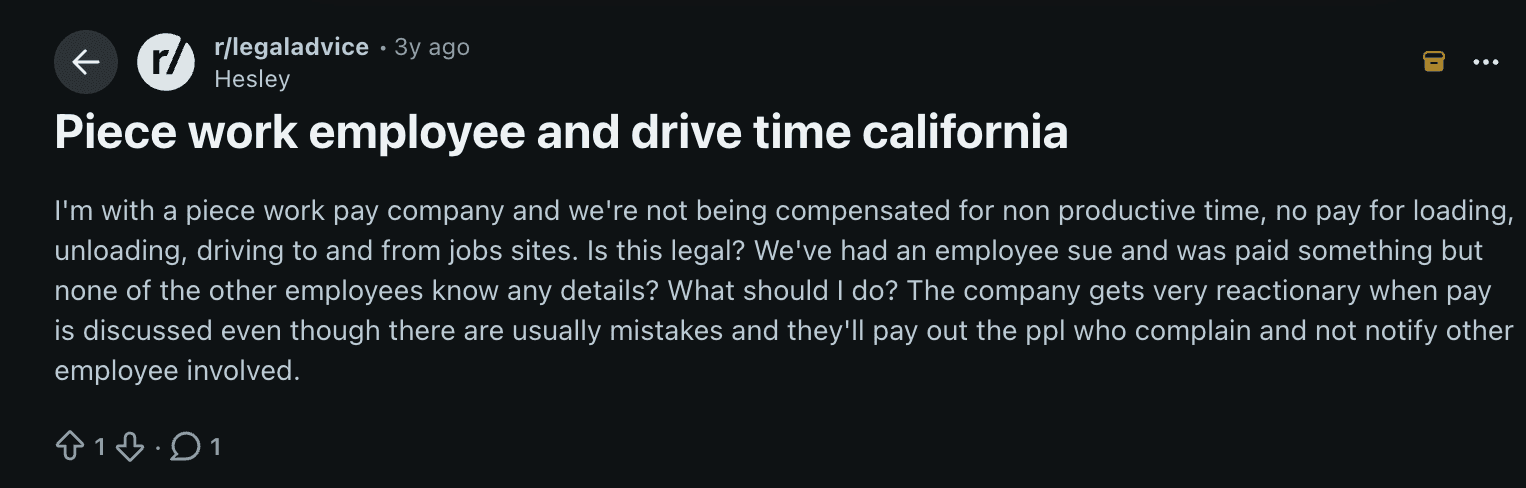
For employers, this is the core § 226.2 risk. If meetings, travel, waiting, setup, cleanup, or other controlled time is not separately tracked and paid, the issue can affect every employee under the same pay system.
"Can my company switch us from hourly pay to 'pay per point’?"
In another California r/legaladvice thread, a home health nurse described being moved from hourly pay to a "pay per point” structure tied only to what the company considered productive work.
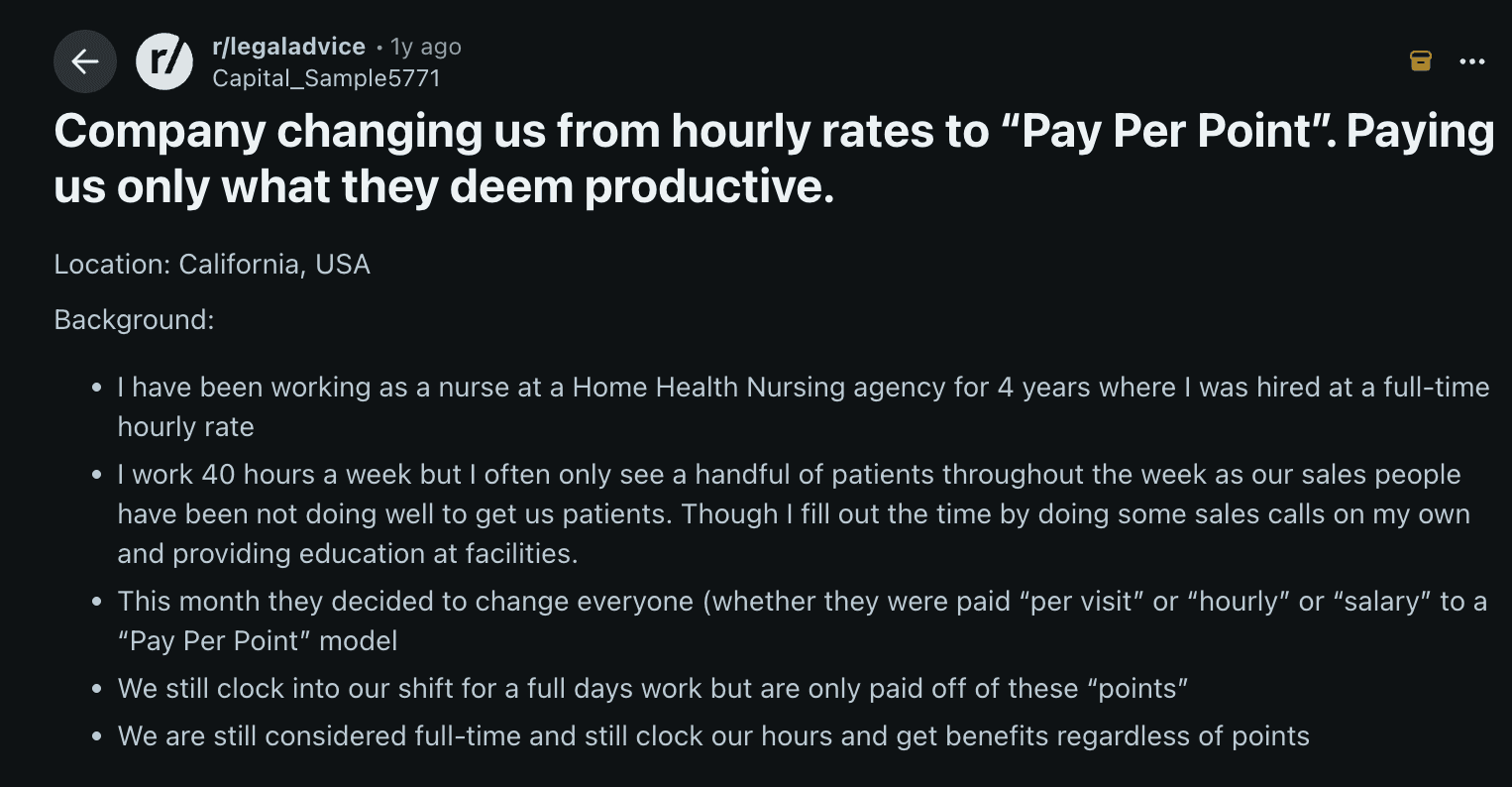
For employers, the label does not control the analysis. If compensation is tied to completed units or productive tasks, the company still needs to account for all hours worked, nonproductive time, overtime, and accurate wage statements.
"Am I being paid for all job tasks?"
A recent r/legaladvice thread involved an employee asking about piecework/piece-rate pay, as well as unpaid job tasks. The discussion noted that piece-rate pay can be lawful only if all hours worked are properly compensated.
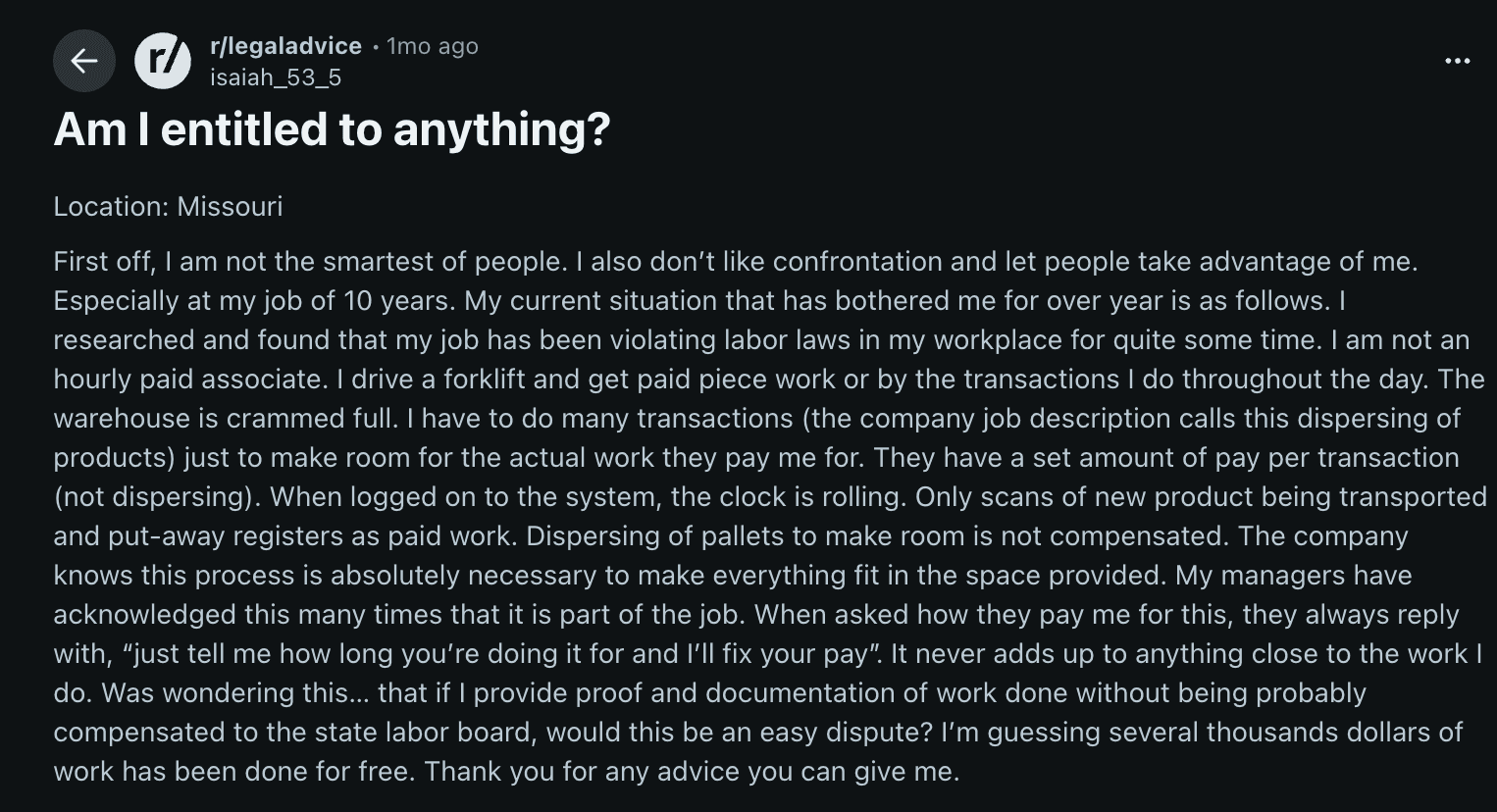
For employers, unpaid task time is where individual complaints can become systemic exposure. A worker may start with one unpaid task, but the claim expands if the same payroll practice applies across the workforce.
The employer takeaway: Employees are reviewing pay stubs, asking whether downtime counts, comparing break rules online, and treating payroll records as evidence. If your piece-rate system does not separately track and pay productive time, nonproductive time, rest/recovery periods, and overtime, the issue may already be bigger than one employee.
DefendMyBiz helps California employers audit piece-rate pay structures, fix wage-statement exposure, and defend wage-and-hour or PAGA claims before payroll mistakes become workforce-wide litigation.
Final Thoughts
Piece-rate pay is not the problem. The risk usually comes from how the structure is implemented. The three requirements under § 226.2 aren't complicated in theory: separate rest period pay, separate nonproductive time pay, and itemized wage statements showing both. In practice, most piece-rate employers fail at least one of them every pay period, at scale.
If your pay structure has not been audited against § 226.2, do it before a PAGA notice forces the issue. If you have already received a notice or are defending a class action claim, get defense counsel involved immediately.
Contact DefendMyBiz for a free 15-minute consultation → | (818) 418-6625
FAQs
Is piece-rate pay legal in California?
Can we average out piece-rate earnings to cover breaks and downtime?
Does the safe harbor eliminate all § 226.2 exposure?
How far back can a piece-rate PAGA claim go?
What is the fastest way to limit exposure if we have been paying piece rate incorrectly?
Disclaimer: The above content is for informational purposes only. This is not legal or tax advice. Laws, IRS guidance, and withholding requirements can change, and outcomes depend on specific facts. You are advised to contact a qualified attorney for any legal advice.


